

AFTER THE CURTAIN
Documentary · Albania · Feature-length · In Development
Working title:
AFTER THE CURTAIN
Logline
Inside Albania’s National Theatre of Opera and Ballet, dancers pursue a life in ballet while confronting the personal, economic and emotional realities that begin when the performance ends.
What is the film about
After the Curtain observes ballet dancers beyond the spectacle of the stage, their work, relationships, ambitions, doubts and everyday lives, asking what it means to build an adult life around a profession that demands extraordinary commitment while offering uncertain rewards.
Central question
Can you build a meaningful life in Albania through the profession you have dedicated yourself to?
What the film is not
• Not an institutional portrait of the National Theater of Opera and Ballet.
• Not a celebration of ballet or an explanation of how ballet works.
• Not a film about “beautiful dancers” and spectacular performances.
• Not a talking-head documentary.
• Not an argument that ballet is neglected or that Albania is failing its artists.
• Not a film that provides easy answers.
Why does this film need to exist?
Because behind an art form that is visible for only a few minutes on stage are people making decisions about their entire lives. Ballet becomes the lens through which the film observes something larger: the struggle to build a future around the profession you believe in, in a country where staying and leaving are both constantly part of the equation.
Director's Biography
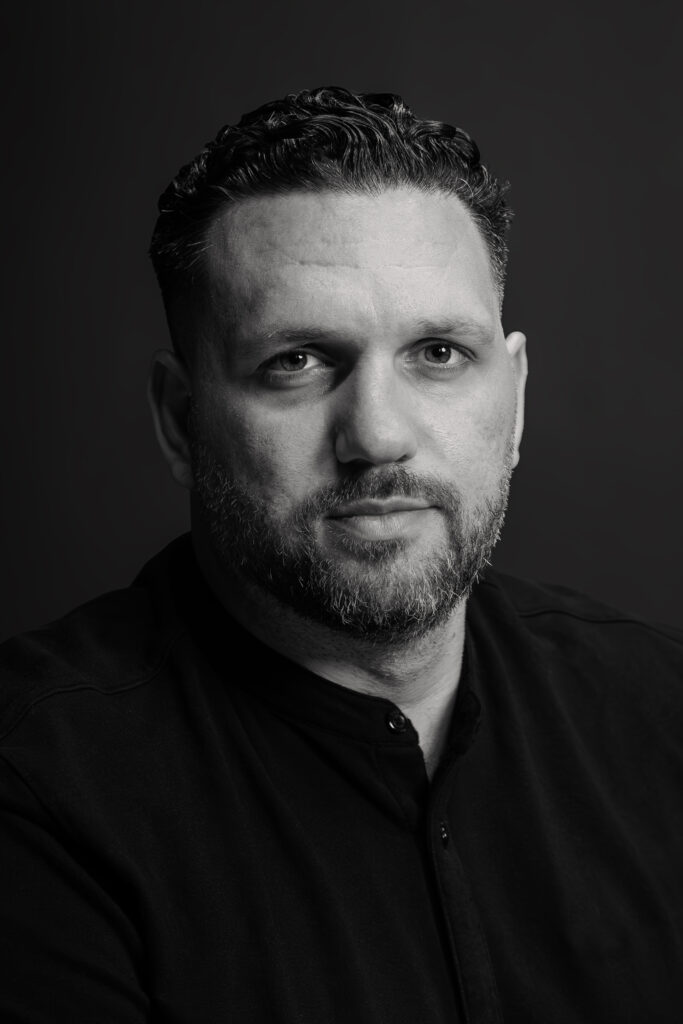
Enriko Hamzaj
Enriko Hamzaj is an Albanian film director. He began making “films” as a child, staging stories with his toys as characters and filming them with a home video camera. He holds a Bachelor’s and a Master’s degree in Film Directing. His work explores social issues, touching on themes such as youth emigration, the lives of overlooked artists, corruption and personal freedom. His recent works include The Ones Who Didn’t Fly Away (2024), Echoes of a Silent Artist (2025), The Report (2026) and Charlotte (2026).
Producer's Biography
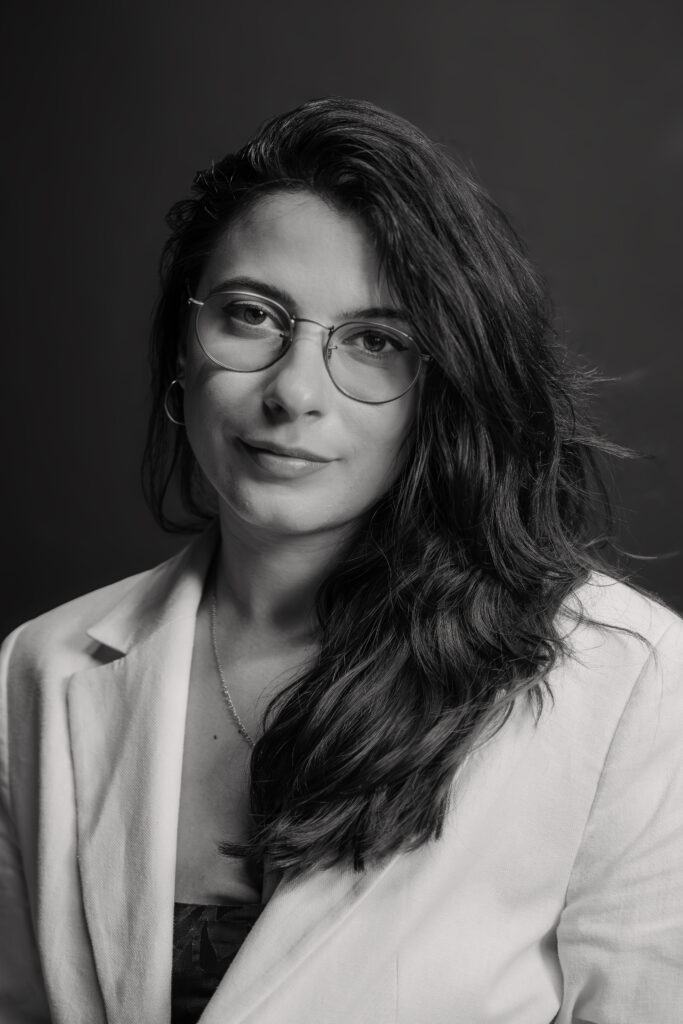
Elisabeta Rama
Elisabeta Rama is a producer with a Master’s degree in Radiologic Technology. Bringing the leadership, organisational discipline and analytical approach developed through her work as a medical professional into film production, she has contributed to the development, coordination and completion of several creative projects. Her producing credits include The Ones Who Didn’t Fly Away (2024), Echoes of a Silent Artist (2025) and The Report (2026).
Director's Statement
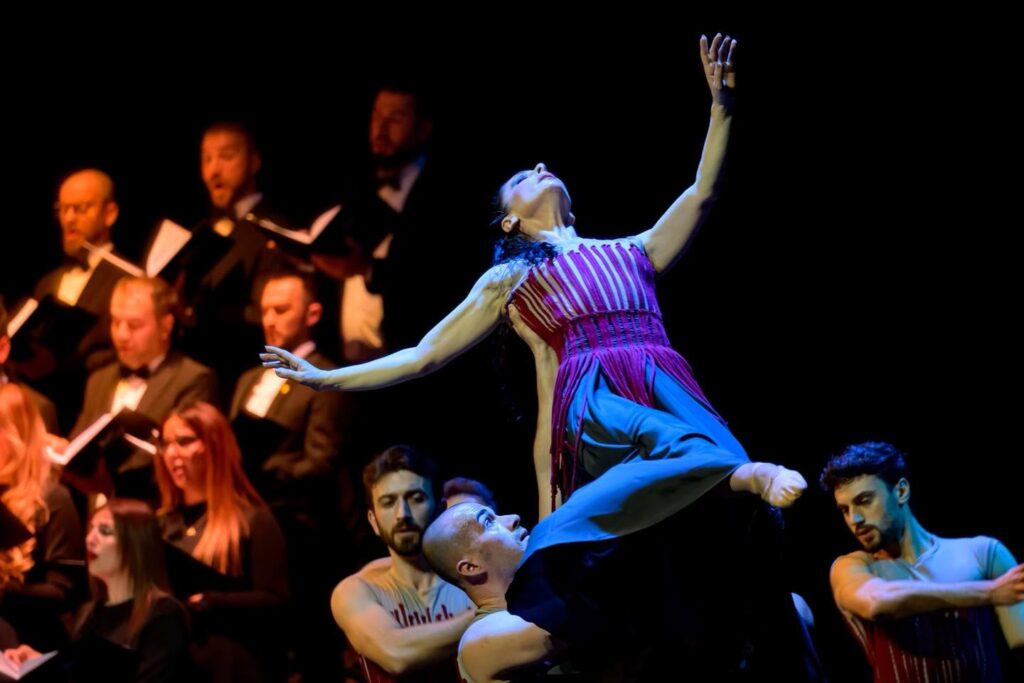
Ballet has been part of my life since childhood. My older cousin danced ballet, and for years I regularly went to watch her perform. At that age, I experienced ballet primarily through the emotions it created in me: the music, the movement, the concentration, and the strange transformation of a human body into something almost unreal on stage. Years later, that feeling has remained with me. But now, as a filmmaker, I find myself interested in what exists behind that transformation.
What happens before the curtain rises? And more importantly, what happens after it falls? I want to make After the Curtain because I am interested in the people behind the performance rather than the performance itself. Ballet requires years of training, discipline and sacrifice, yet the audience ultimately sees only a few minutes of the result. Behind those minutes are people building their identities, relationships and futures around a profession that demands almost total commitment. I want to understand what that commitment means when it becomes an everyday life.
The question feels particularly relevant in Albania today. For many young people, building a professional future increasingly involves looking beyond the country. Staying is a choice, leaving is a choice, and sometimes neither feels entirely like a choice. Ballet creates a particularly intense version of this dilemma because a dancer cannot simply separate their profession from their body, their time and their identity. Years of youth are invested in becoming a dancer, while the professional life itself is inherently limited. At some point, every dancer has to confront the question of what comes next.
That is where I see the film becoming larger than ballet.
I am interested in the tension between passion and practicality: how someone can deeply love what they do while still asking whether that profession can provide a sustainable life. How much can someone sacrifice for the work they believe in? What happens when the profession that has shaped you cannot guarantee the future you imagined? And what does it mean to remain in Albania and try to build that future here?
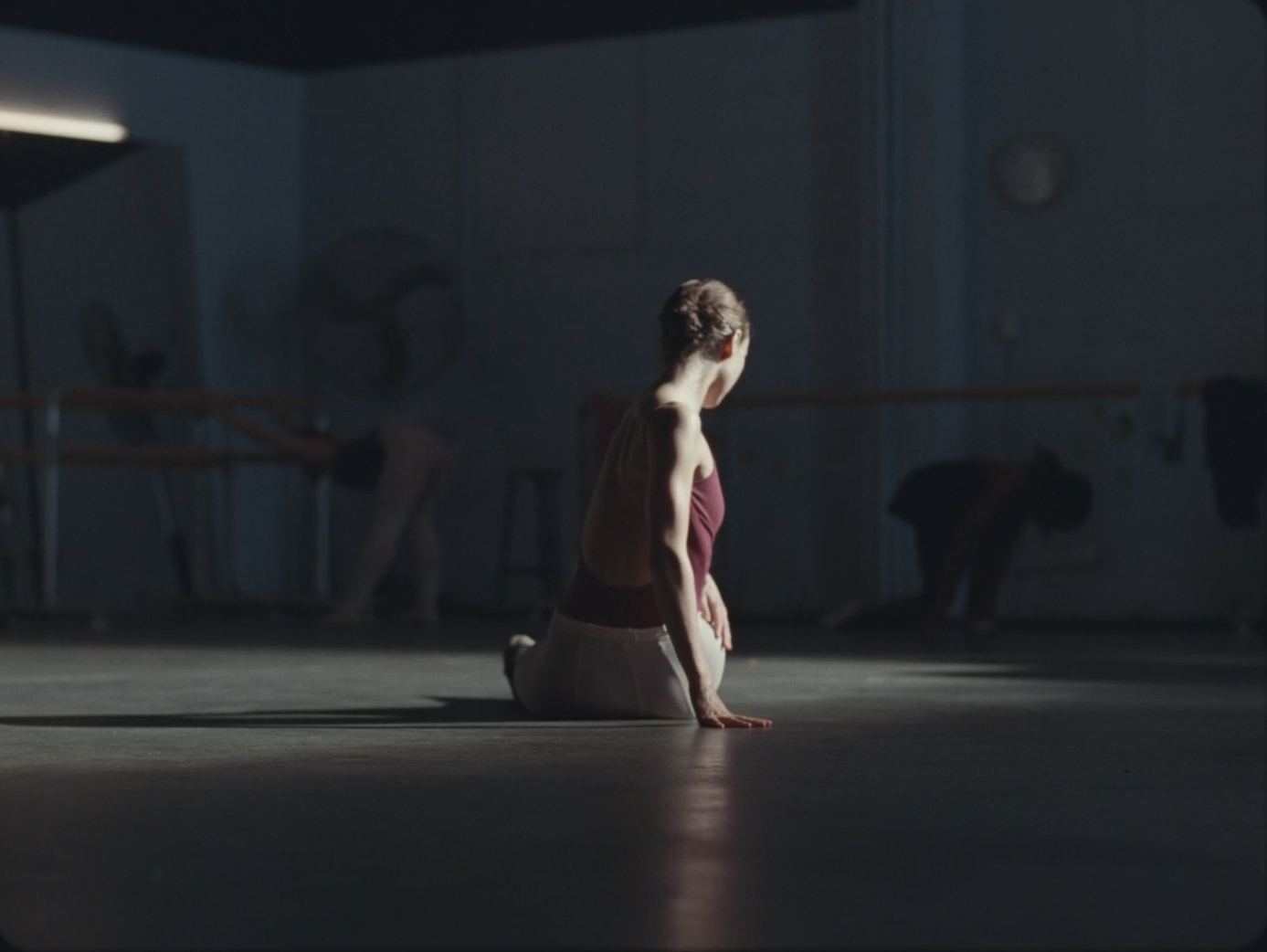
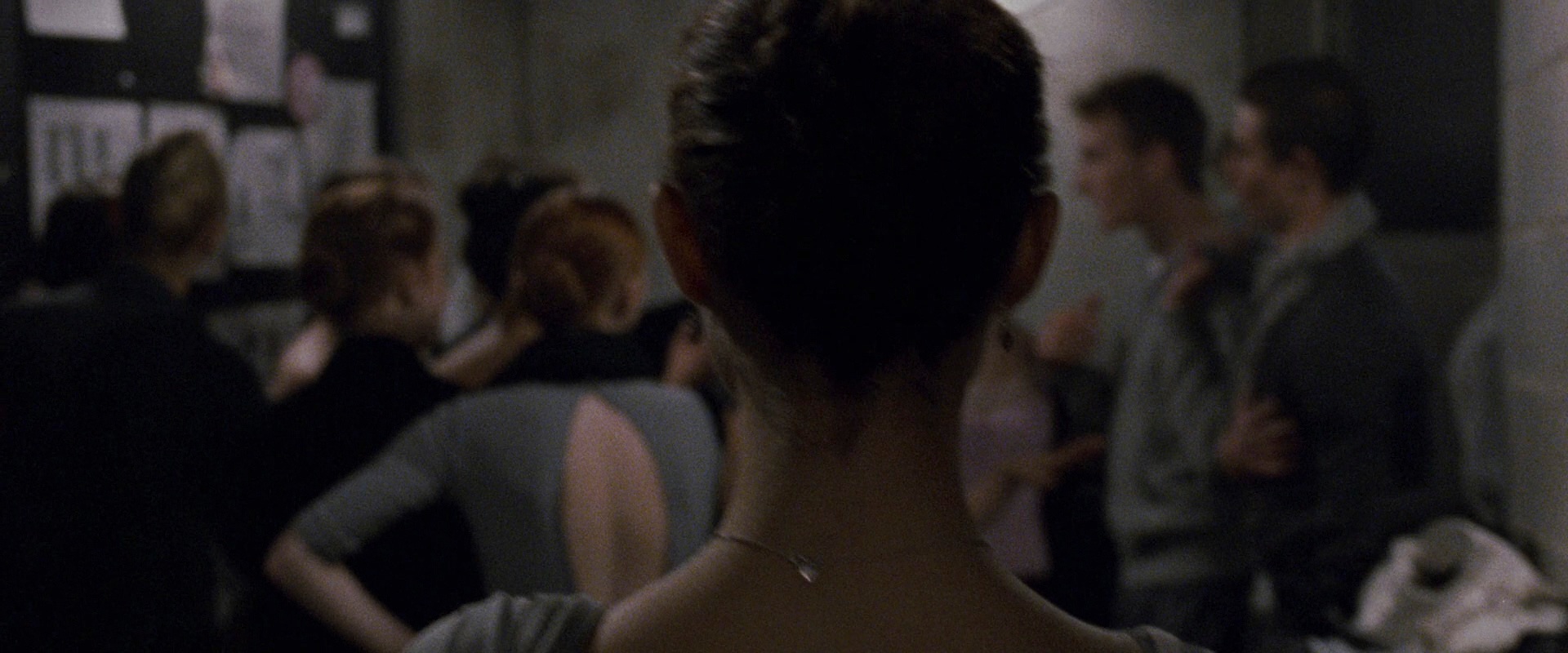
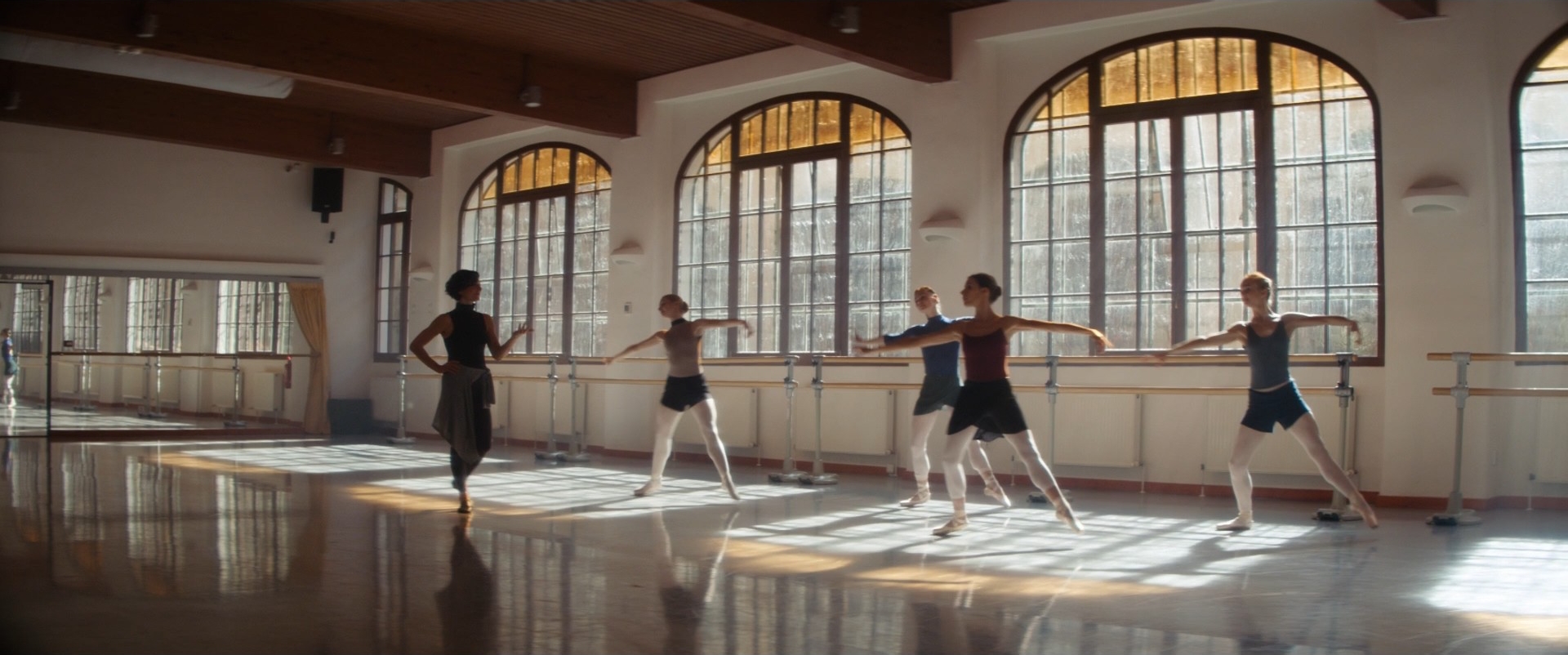
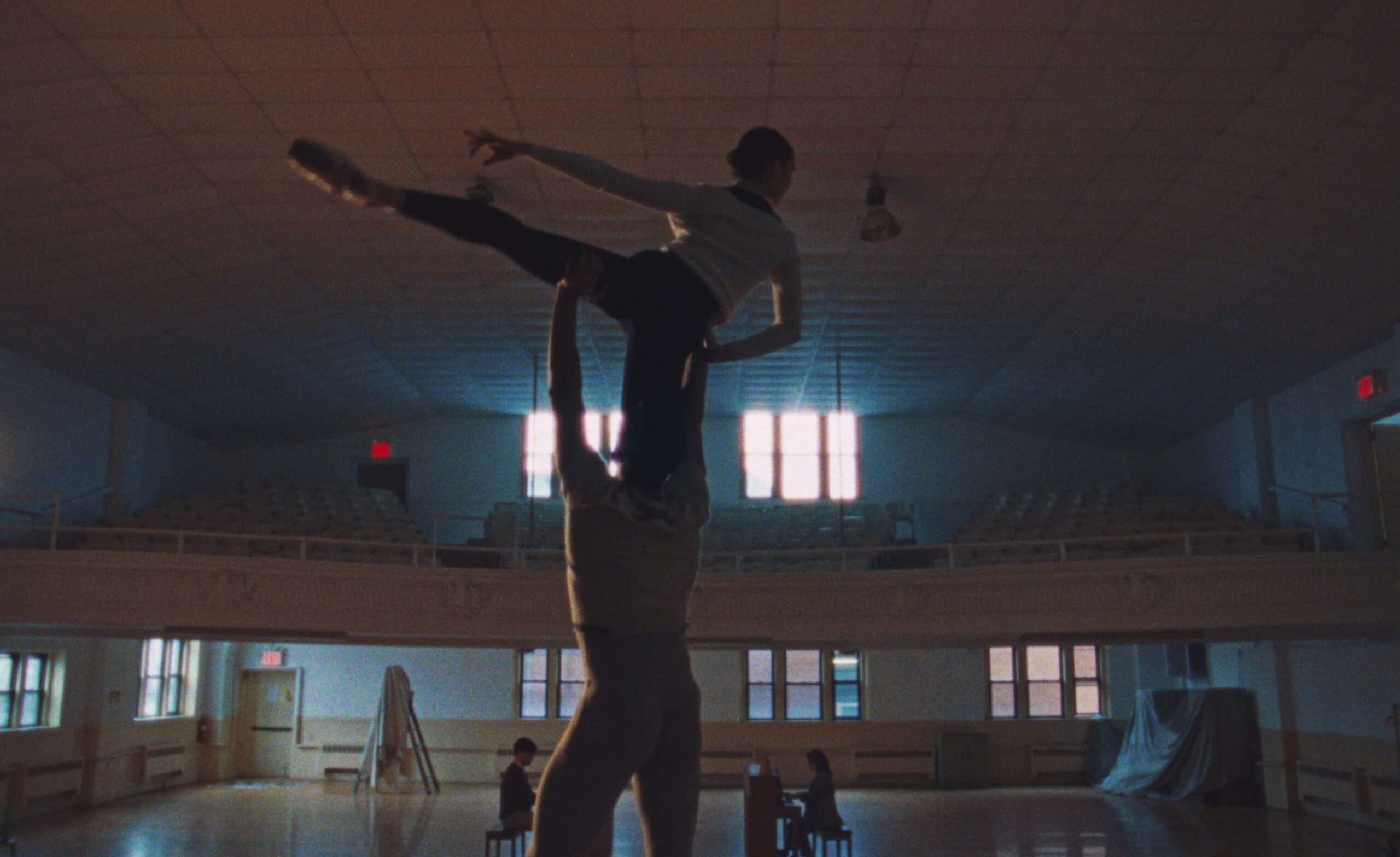
My focus will be on the dancers themselves. I don’t want to make a film that explains the institution or celebrates its achievements. The National Theatre of Opera and Ballet is the environment in which these lives unfold, but the people are the reason I want to enter that world. I want to observe them through the ordinary moments that are usually invisible: preparation, repetition, exhaustion, waiting, conversations, relationships, uncertainty, small victories and moments when the person exists independently of the performer.
I am also aware of what I could get wrong.
I do not want to romanticise sacrifice, reduce the dancers to victims, or turn their difficulties into a simple argument about Albania’s cultural system. I do not want to tell them what their lives mean before I have actually listened through observation. Most importantly, I do not want the beauty of ballet to become a distraction from the people themselves.
This is why the film will be entirely observational. I want to give the dancers enough space for contradictions to exist. A person can be passionate and frustrated, proud and uncertain, determined to stay and still dream of leaving. I am interested in those contradictions because they are where real lives become more complicated than a documentary’s argument.
In the end, I do not want the audience simply to understand what it is like to be a ballet dancer in Albania. I want them to feel the weight of the choice: to experience the beauty of the work, but also the time, uncertainty, sacrifice and emotional investment that exist behind it.
When the curtain falls, the performance is over. For the dancer, life continues. That is where I want this film to begin.
The artistic approach
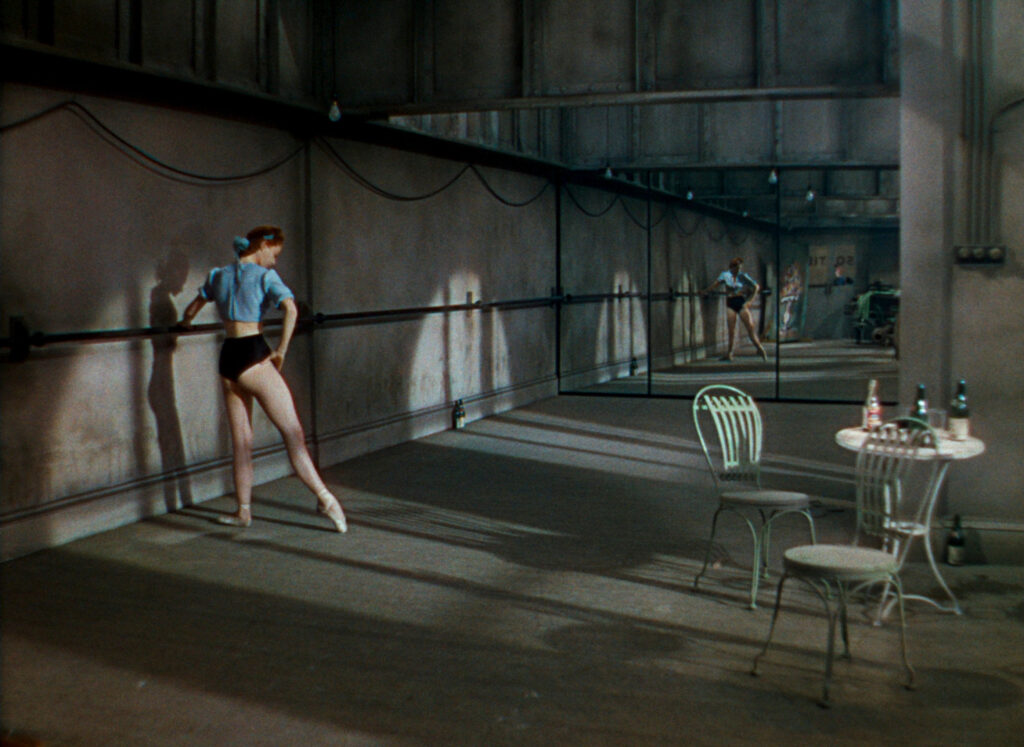
After the Curtain will be made as a fully observational documentary.
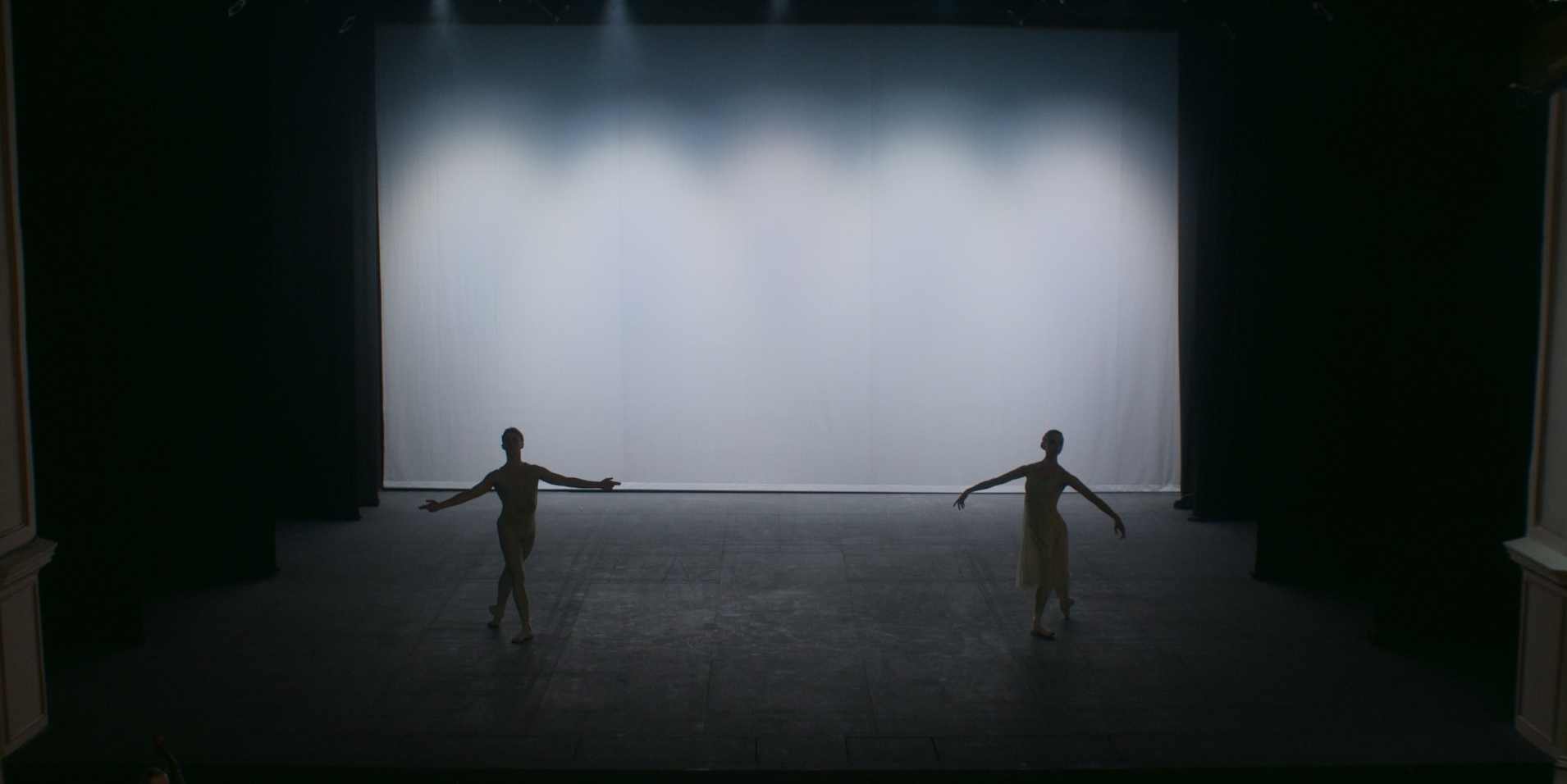
The camera does not ask the dancers to explain themselves. It stays with them long enough for their behaviour, relationships, conversations, silences and contradictions to reveal who they are. The film will not construct reality to communicate an idea. The idea must emerge from reality.
NO TALKING HEADS – There will be no seated interviews or conventional testimonial setups.
NO INTERVIEWS – The dancers will not be asked to explain their lives, feelings or experiences directly to the camera.
NO EXPLANATORY VOICE-OVER – The audience will not be told what to think or how to interpret what they see.
NO STAGED SCENES – Situations will not be created for the camera simply because they would be useful for the story.
NO RECREATIONS – The film will remain within the reality of the present.
NO REPEATING ACTIONS – If something happens once, it happens once. The camera must be ready for reality rather than asking reality to perform again.
NO FORCING EMOTIONAL MOMENTS – The camera will not pursue tears, conflict or vulnerability simply because they create dramatic material.
THE CAMERA OBSERVES, IT DOES NOT DIRECT – The filmmaker’s presence should influence the environment as little as possible. The camera waits, watches and responds.
SILENCE MATTERS – Breathing, footsteps, the sound of the floor, music from a rehearsal room, dressing-room conversations, traffic outside the theatre and moments of complete silence are part of the storytelling. Sound is not simply an accompaniment to the image. It is part of the reality being observed.
TIME IS ALLOWED TO EXIST – Not every scene needs to move the narrative forward immediately. Repetition, waiting, preparation and apparently insignificant moments can reveal character and emotional reality. The audience should sometimes experience the passage of time rather than simply being informed that time has passed.
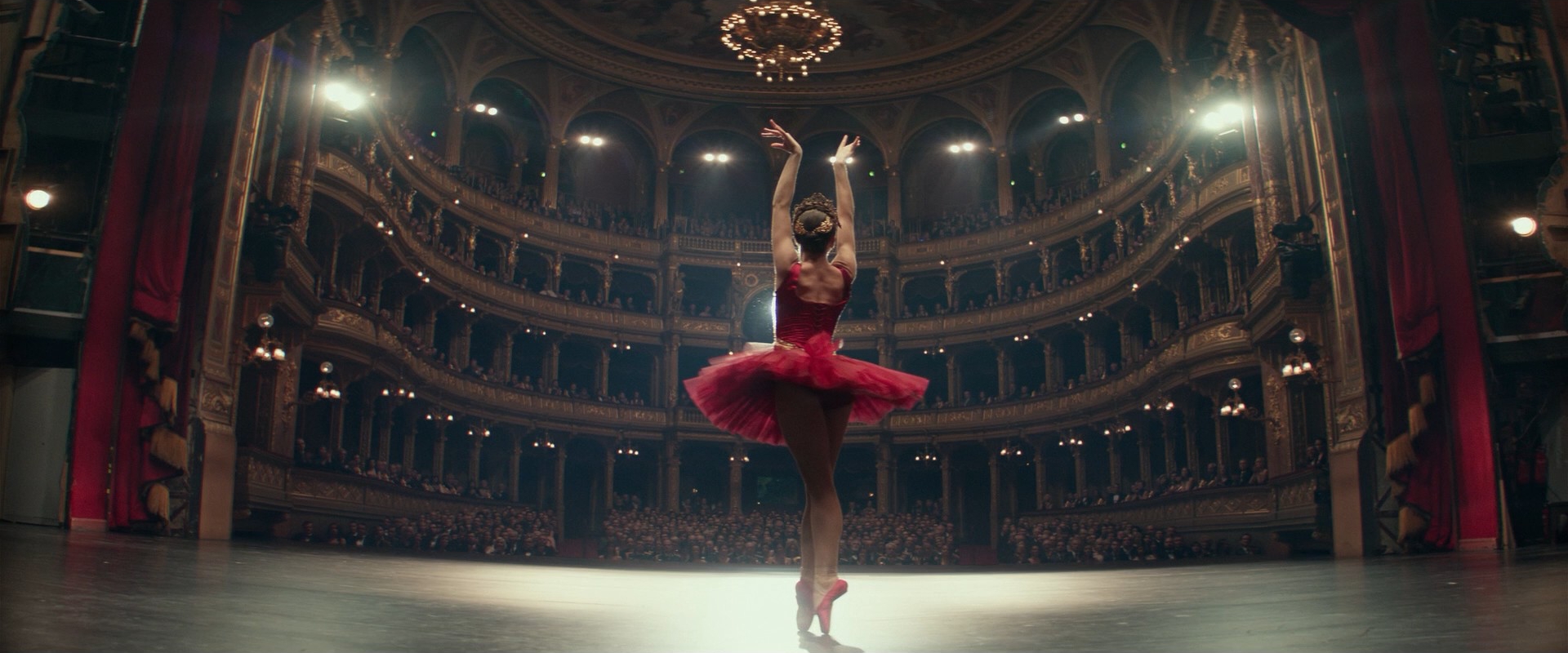
Themes
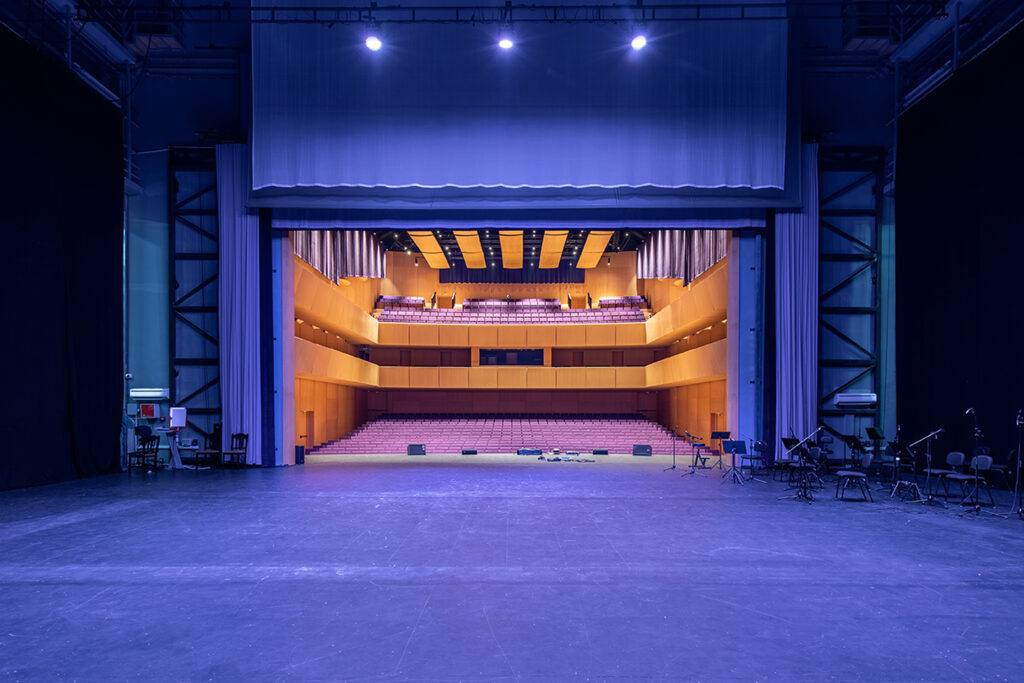
Time – The life that cannot be paused
For a dancer, time is not an abstract idea. Youth passes, the body changes, injuries interrupt careers and the possibility of performing has an inevitable limit. But time also exists in the decisions dancers make: the years invested in training, the opportunities postponed, the choices about staying or leaving, and the uncertainty of what comes after the stage. What happens when the future arrives faster than you expected?
Identity – When the profession becomes part of who you are
Years of dedicating yourself to ballet can make the profession inseparable from personal identity.
If dancing has shaped who you are, your ambitions and your understanding of yourself, who are you when dancing changes or eventually stops? The film is interested in this psychological dimension rather than simply documenting the physical demands of dance.
Sacrifice – What is given up for the life you choose
Every professional dancer has given something to become one: time, physical comfort, other opportunities, relationships, security. The question is not simply how much do they sacrifice? but whether the sacrifices feel worth it to the person making them.
Visibility / Invisibility – The distance between the stage and the city
Inside the theatre exists an entire world of discipline, labour and artistic commitment. Outside it, much of everyday Tirana continues without noticing. The film explores this distance without judging the public or arguing that ballet must be more popular. What does it mean to dedicate your life to something that remains largely invisible to the society around you?
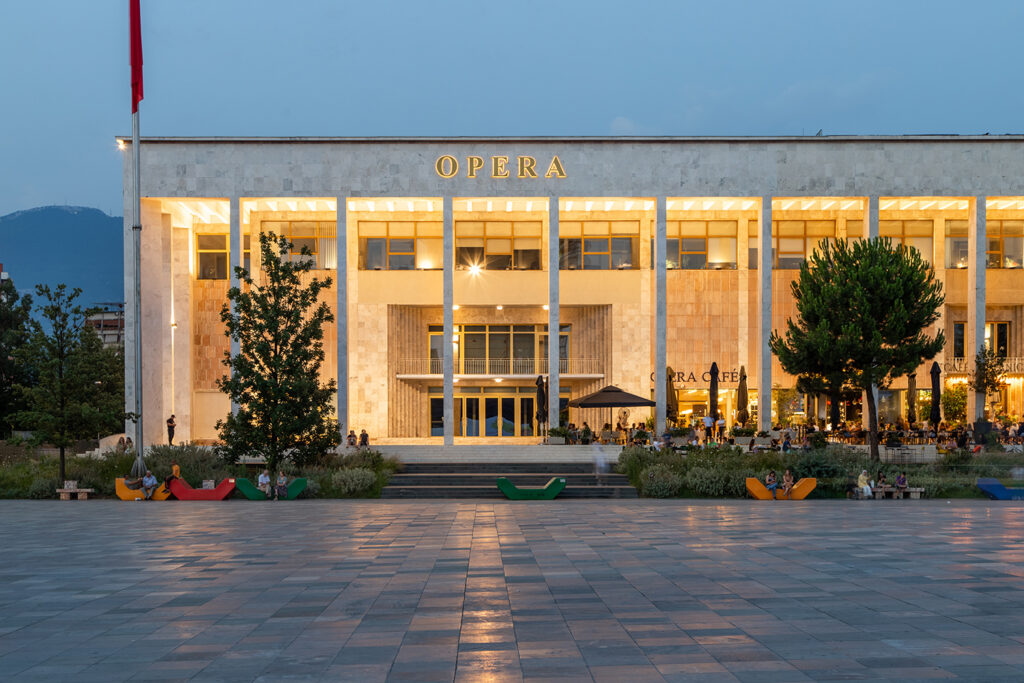
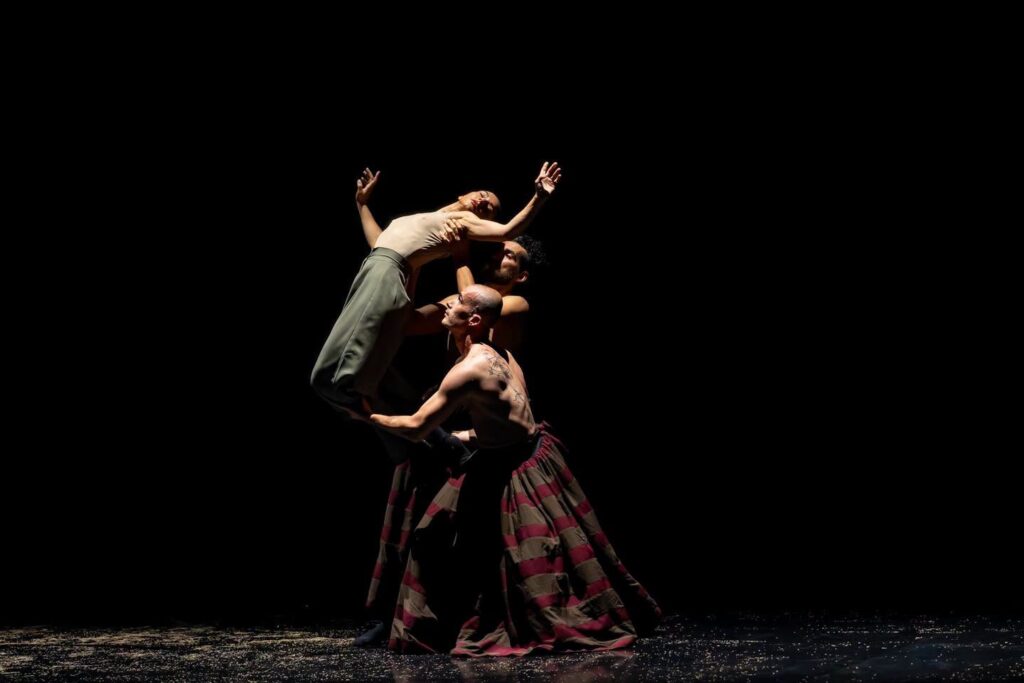
Staying / Leaving – Building a future in albania
The dancers’ choices exist within a broader Albanian reality. For many young people, professional and economic opportunity is increasingly imagined elsewhere. The possibility of leaving is therefore part of the question of how to build a future, even for those who choose to remain. Through ballet, the film approaches a wider contemporary tension: What does it mean to stay? What does it mean to leave? And what kind of life can be built in between?
The body as a mirror of a larger reality
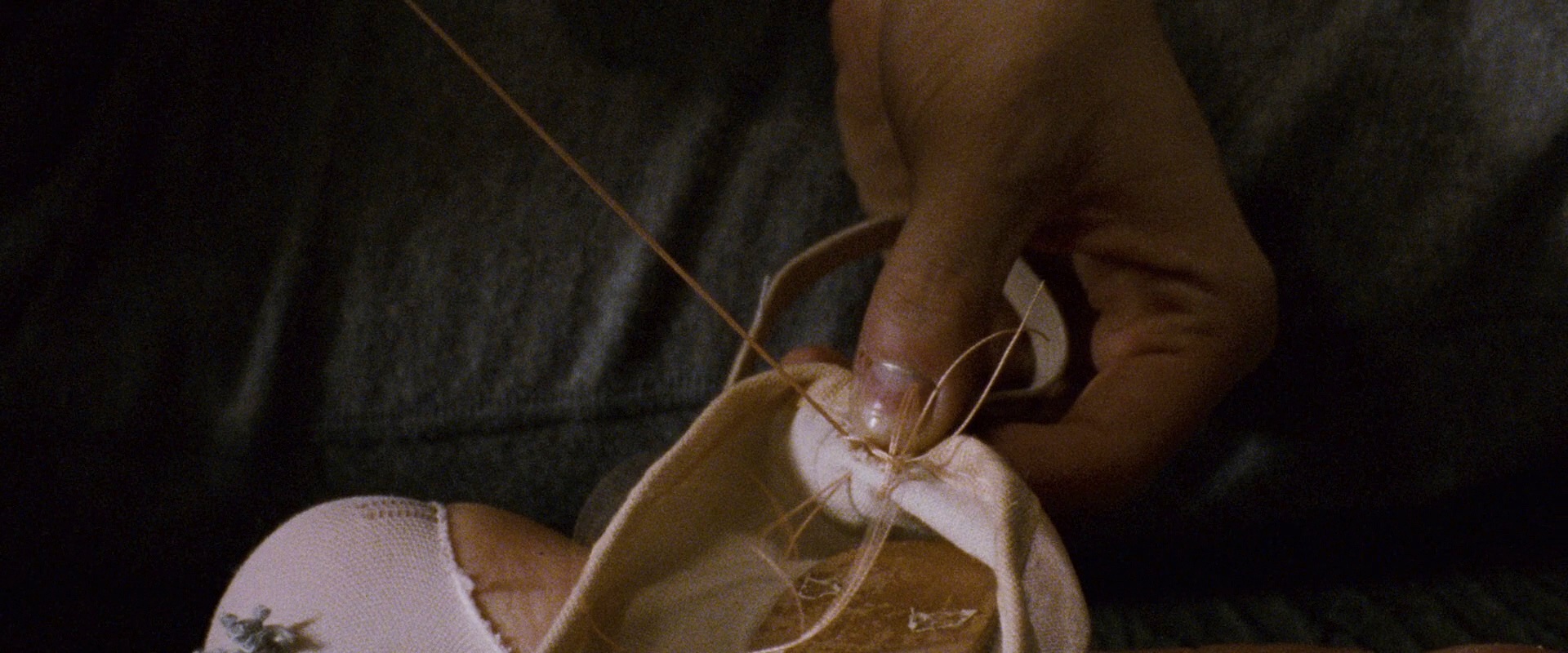
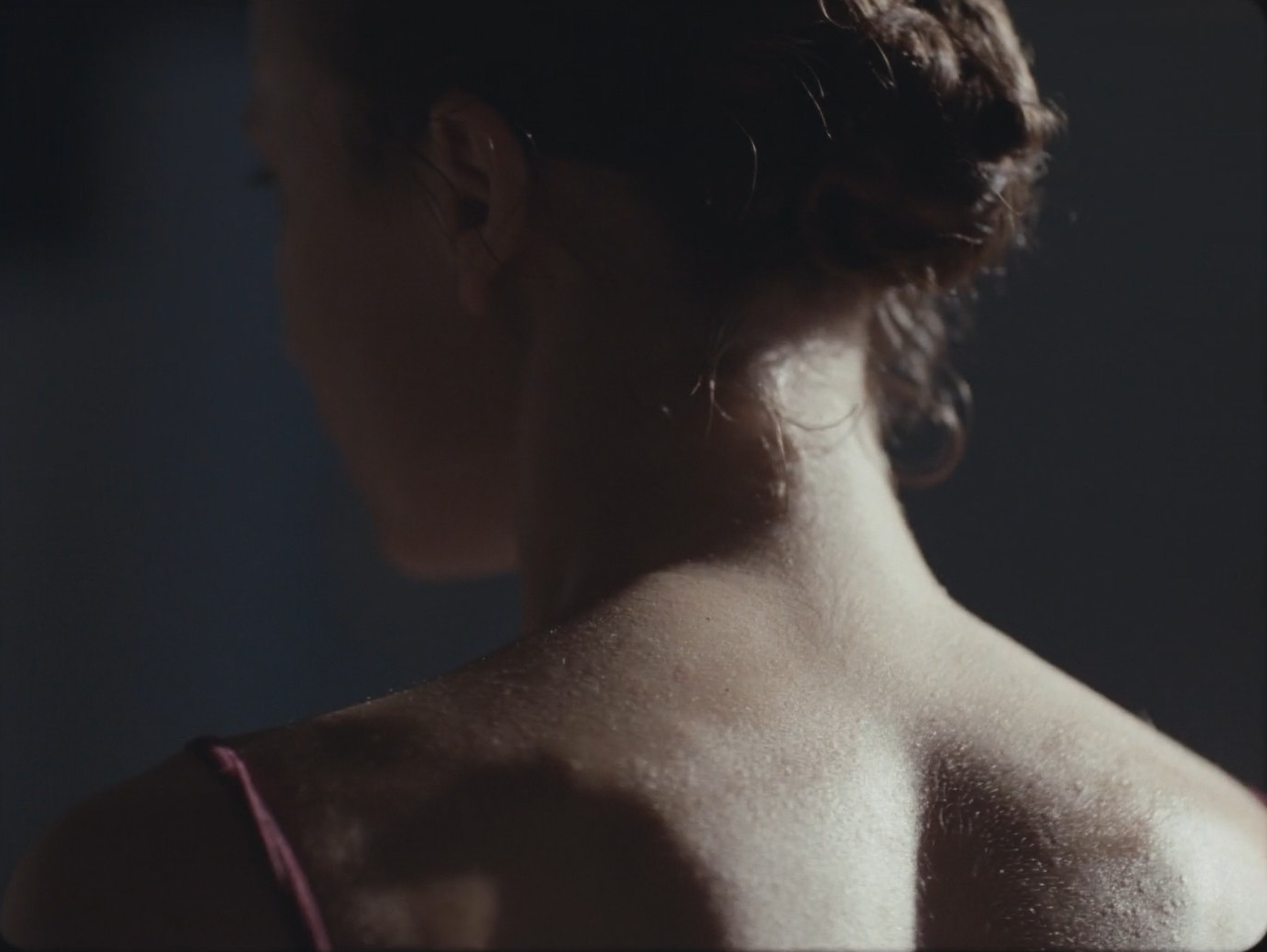
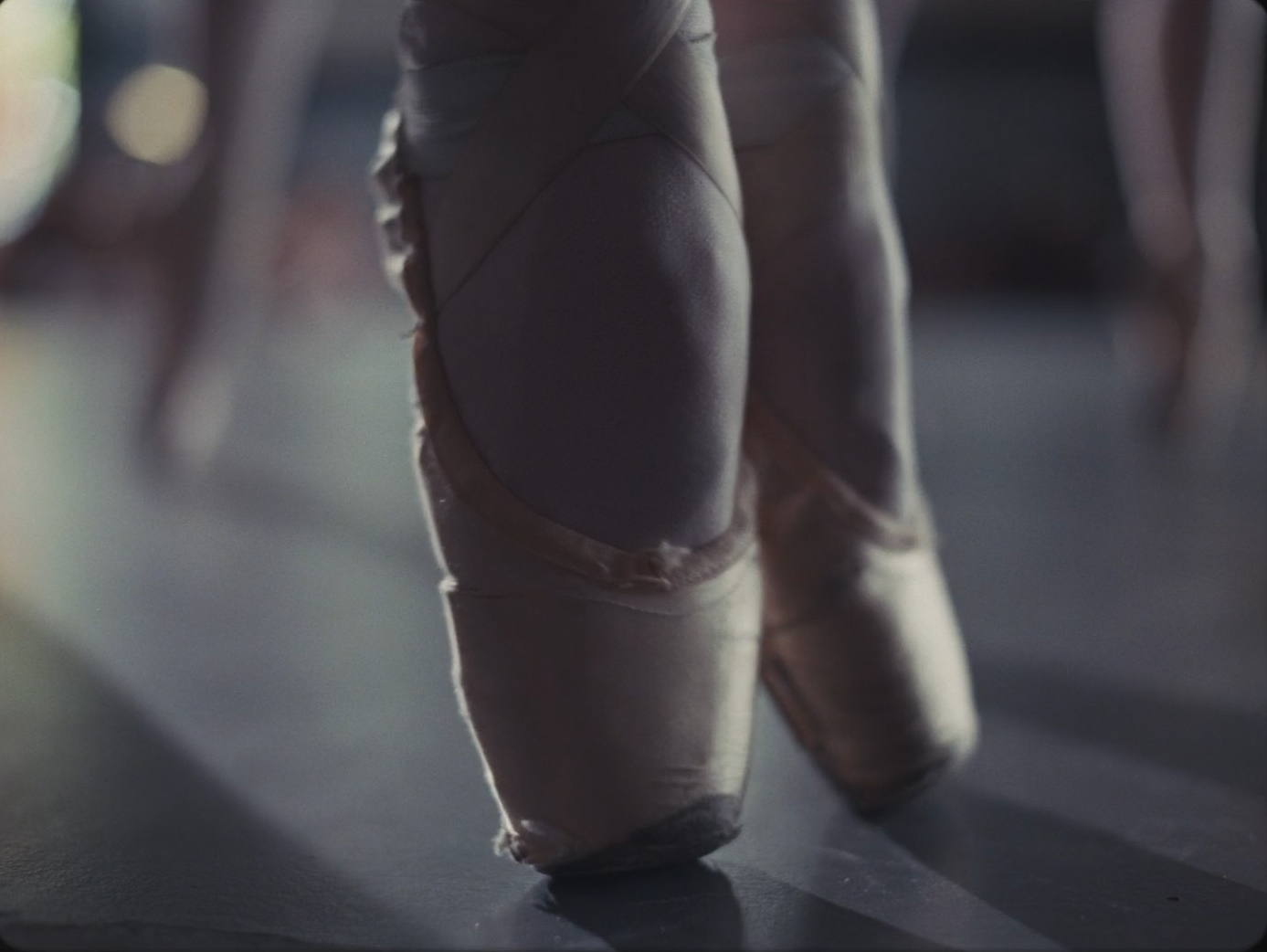
The physical body is an essential cinematic element of the film, but it is not the subject of the film.The body makes the invisible visible: discipline, exhaustion, injury, ageing, repetition and the passage of time. What happens physically to the dancers becomes a way into the emotional and psychological reality of the people living through it.
THE PRODUCTION
CURRENTLY IN DEVELOPMENT
Production company: FILMSSCOPE
Director: Enriko Hamzaj
Producer: Elisabeta Rama
Country: Albania
Estimated duration: 90 min
Intended production period: October/November 2026 – June 2027 (9 Months)
Intended completion: February 2028
The project is currently undergoing an international development process focused on artistic development, research, access, production strategy and financing.
Selected Project – Interaction: DocuConnect Balkans 2026
Požega, Serbia · 21–25 August 2026
INTERESTED in the Project?
For production, co-production, financing, distribution or other professional inquiries:
Enriko Hamzaj
Director
director@enrikohamzaj.com
Elisabeta Rama
Producer
production@filmsscope.com